 3.69 million cases recorded. 69 million vaccinated. 60,455 deaths. These are the numbers of the Philippines as of today. So what now?
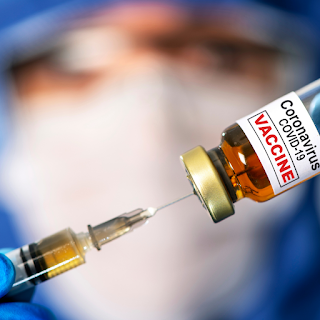
COVID isn't gone. It should still around. Even with more than 50% of the population vaccinated, it is impossible to develop long term immunity to COVID infections. In fact, after vaccination, it is generally accepted that in 3-6 months, a person can get infected again. We've never achieved herd immunity. It was impossible under the rate of performance of medical intervention done. If that's the case, then everything was just a show and the concept of protection sold to everyone is superficial
So what changed? Filipinos do not believe anymore. Nobody even talks about these things anymore. We started not to care because its no longer a huge concern. And it took two years for us to do this. And in those two years, nothing substantial was done or had happened to effectively stop a virus from spreading. It was two years of wasted time that stalled our lives, crippled our way of living, and disrupted our peace of mind.
Each one of us is walking out of this traumatized, damaged and with disability. We are walking out to a new world where the economy is broken and opportunities are scarce. All because the world and our leaders had chosen to believe in fear. Those lockdowns and restrictions, these testing and screening requirements, they're all a waste. The only thing that lockdowns and restrictions had stopped are the lives of people. No one even wants to willingly get tested and screened anymore, not worth the expense if its not a requirement. It did not stop the virus and it was such a waste. Up until now and maybe some time in the future, we will still be paying for this waste.
The hardships and the effects of the pandemic wasn't really brought upon by the virus itself. It is our reaction to it, how leaders had organized responses, and how we adjusted our lives to these. So much resources wasted on face shields, masks, air purifiers, and thousands of other products said to control the spread of the virus. So much energy spent on managing restrictions, adjusting our way of living, and continuing our lives. And now, we are still depleted. We are still exhausted and haven't recovered yet.
Us Filipinos, we're doing what we do best: endure. We are living up to one of our greatest qualities: resilience. We're at a point where devastation wasn't as tragic like acts of God, but the road to recovery is insanely difficult. Our favorite phrase: "Bahala na," and we'll just do things, hoping it will get better in the future. The only questions are how long will we be able to and is there any help that will come?